

January is considered a traditional month of pruning. The Christmas holidays have already come and gone, and spring, although it may not be immediately near you, is still starting to concern you. There is nothing actively growing in your garden, and you think all the plants are in need of a good trim. Is that right?
But do not act so fast! Timing is one of the pruning fundamentals. Therefore, it might be essential to prune some plants in January as it is an important exercise in revitalizing the garden, but you cannot just go out and cut blindly. There are some plants you should never prune in January, as it can really be damaging to them. There is a severe danger of winter burn, and cutting off a part of the plants deprives them of essential insulation.
The spread of diseases is another factor. Some of the fungal spores are delighted to be disseminated in those warm spells in January. An inanimate tree or bush can not speedily cover up pruning cuts, and that exposes open wounds in the bark upon which those spores can settle.
That is why we came up with our expert insights in this article, which will guide you about the seven plants that should not be pruned during winter.
Forsythia
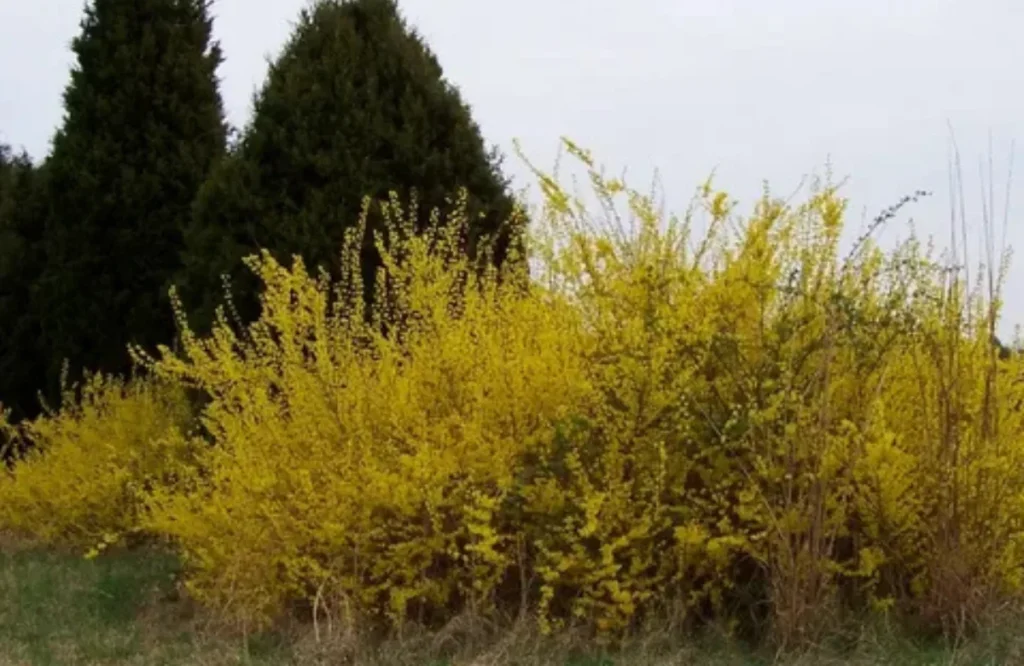
Forsythia (Forsythia spp.) is among the very first spring bloomers. Indeed, they are the bushes so eager to flower that they usually leap the fence, and open their blossoms too soon in an unseasonable warm spell.
And it should be no surprise that the forsythias have their flower buds very early before spring. They, in fact, placed them in the summer of the preceding growing season. Well, now whatever you trim in January, it will be chopping the future flowers!
Lilacs
Lilacs (Syringa vulgaris) do not bloom so early, but are in a similar plight as forsythias. Not long after flowering, they form next year buds in the summer. Prune them in January, and then you will have no flowers for a year.
So, when to prune lilacs? Late in the spring or at the beginning of the summer, prune the lilacs just after they are in a state of flower, before the new buds have set.
Bigleaf Hydrangea
Hydrangeas have been known to be a very difficult plant to prune, due to the numerous varieties that have various patterns of flowering. Some bloom on old, and some on new, and some on both. The hydrangea macrophylla are old wood bloomer. That is, their buds will grow later in summer or even in October and hang on the plant during the winter. Cut them at any stage of the winter, and you are cutting off possible flowers.
Bigleaf hydrangeas should be pruned during the summer, right after the flowers are over.
Rhododendrons
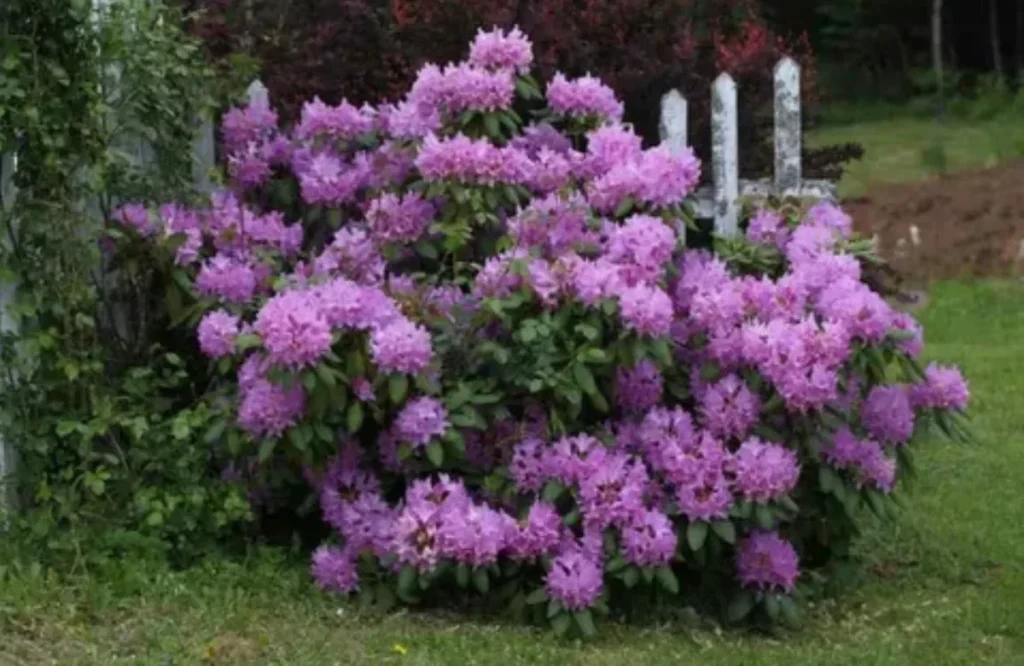
The majority of rhododendrons (Rhododendron spp.) are evergreen, hence you can find the leaves standing tall in the snow, and you may feel like clipping them to make them look better. Resist the temptation! This is another early spring flowering plant that sets its buds in the summer before. When you have them pruned in winter, you are enrolling yourself in a very unenthusiastic season (The same applies to azaleas, which are really a form of rhododendron).
Rhododendrons pruning time is late spring, when all the bloom is off.
Lavender
Lavender is likely the most delicate of all the plants in this list. It is a Mediterranean native, which is employed to dry soil and sun. It is particularly in danger in cold and dark winter; the only hope it has of surviving is to settle down in a profound, unbroken sleep. And what is more disturbing than being pruned? This is why you should never prune these plants in winter.
Wait till summer, when your lavender is over its flowering season. And then you may give it a good trim.
Boxwood
Another plant that is highly susceptible to winter damage is boxwood (Buxus sempervirens). Did you ever see boxwoods whose leaves were brown, all of a piece of the shrub? Many things can bring about this, yet one of the key offenders is winter burn. Similar to lavender, the removal of branches interferes with natural insulation of the plant, allowing cold not only to enter the core of the shrub, but to enter the bark as well.
Prune boxwood in early spring, when the new stems begin to grow. This will promote greener and healthier growth.
Peaches
The peach trees (Prunus persica) are among the plants you should never prune in January. Actually, the majority of stone fruit trees, such as plums, apricots, and cherries are to be left unattended!
This is mostly due to the occurrence of the Silver Leaf Disease – a fungus disease that spreads through the air by spores, mostly in the damp and cold months in the mid winter. In January, the tree is asleep and cannot form the protective layer of tissue callus required to close the hole.
Their pruning is done very late in winter or early spring when no rain is expected in a few days. This is supposed to allow the tree to recuperate from any cuts before the wet expansions of the disease.
Is January Pruning Ever Okay?
In fact, three exceptions (the three D’s) are generally accepted. The 3 D’s are: dead, damaged, and diseased. When you have sections of your plants that can be included in any of the above categories, then it might be all right to cut them out even during the middle of winter.
But, before you commence to cut, consider the reasons why you would have this plant not pruned in a normal condition. When it is to conserve already-formed buds of the flowers (as of a rhododendron or an azalea), then trimming back dead branches is not going to be such a bad thing. Stripping the dead or withered leaves off of a Boxwood can expose the shrub more to the harsh elements, which may cause even greater destruction. Just use your common sense.
In case you would like the professionals to provide you with professional guidance on when and when not to prune your plants, contact Alexa’s Tree Services and let the experts take the lead.
FAQs
Why cannot I prune these 7 plants during winter?
Winter pruning of such plants poses the threat of destroying new growth buds and exposing the cuts to low temperatures, causing disease or dieback.
What will be the consequences of pruning during winter?
The plant can be affected by frost on uncovered wounds, malfunctioning structure, or decreased vitality of the plant next season.
What is the optimum time to prune these plants?
To promote healthy growth, most of these plants are pruned during early spring (after the final frost) or during late summer. Always see what your local climate is like; aim to have active growth on your side to reduce the risks.