
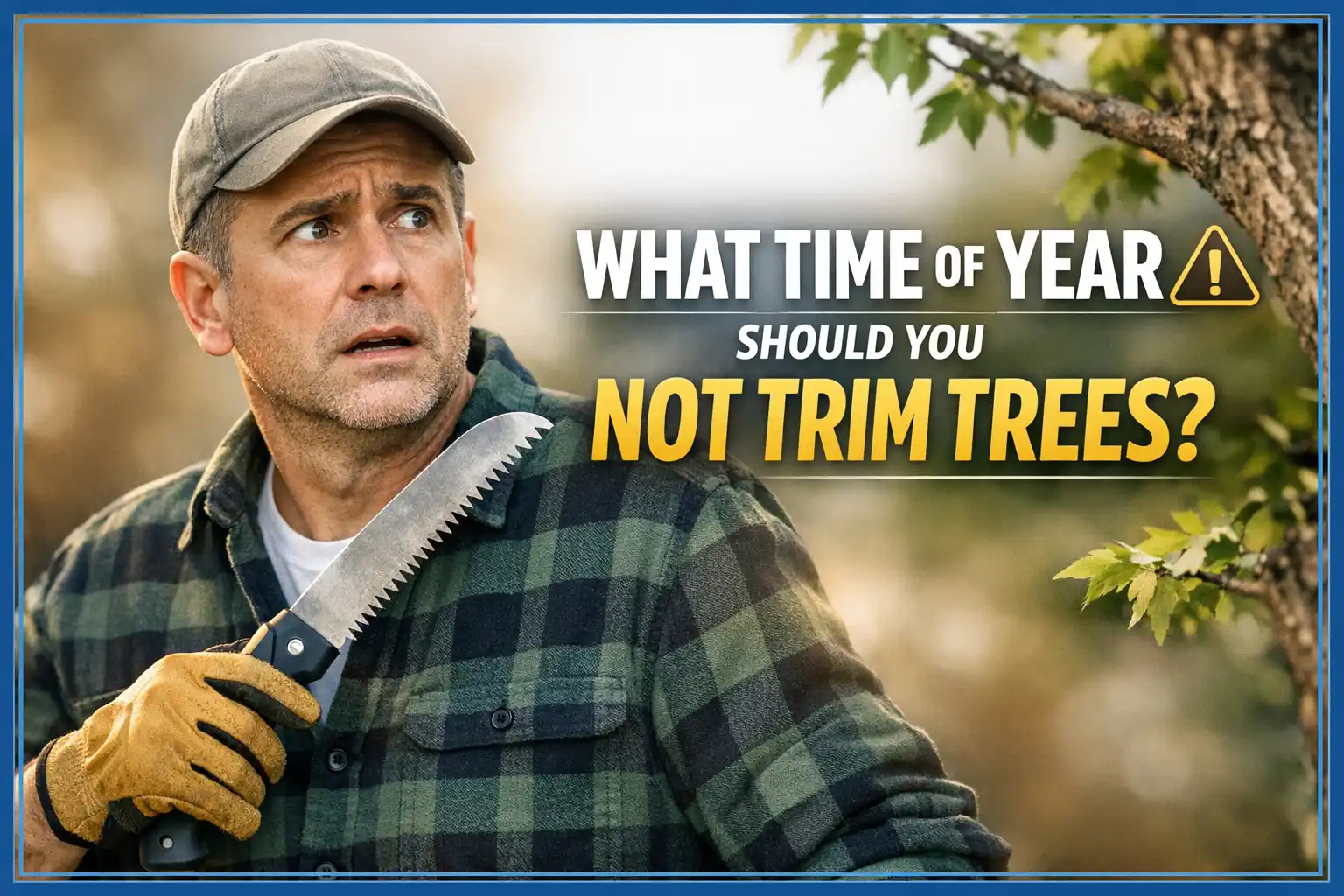
Pruning is necessary to maintain trees and keep them healthy and safe. Although it might not be a routine task, it is important to do it at the appropriate time. Doing it at the wrong time to prune trees may make a tree lose its energy and become susceptible to diseases. Deciduous trees are generally pruned in their dormant period, which spans from the end of fall through the end of winter, but again, there are certain times of the year that are particularly unsafe.
When to Never Prune Trees
Timing is everything, and knowing when to prune the trees is the only way to have healthy and well-shaped trees. To ensure you do not make any mistakes when pruning trees, we have compiled some tips on when trees should be pruned and when they should not be pruned, and also what the most dangerous times are to trim the tree canopy. These are not strict rules, since timing may be different depending on your species. However, with these guidelines, you are providing the best opportunity for the trees in your backyard to grow.
Active Disease Season is The Most Dangerous (Mid-Spring to Early Summer)
It is a huge gamble to prune off the leaves of the deciduous trees (particularly oaks and elms) when they break their dormancy in early summer. It is one of the worst times to prune trees. Active growth and warm weather are a strong combination, which can result in a significant risk of fungus and the transmission of insects.
- Disease Incidence: Fungal diseases are common during spring. More importantly, the new cuts are a target for sap-sucking beetles, which are carriers of deadly infections such as Oak Wilt and Dutch Elm Disease.
- Expert Knowledge: Pruning at this time may result in stress and less healing capabilities of the tree. As a rule, from late in March until early May, it is better not to prune, with some exceptions made in different parts of the country and in pruning various trees. Most of the trees are in full flow of sap and are growing at this time.
Episodes of Stressful Weather Conditions
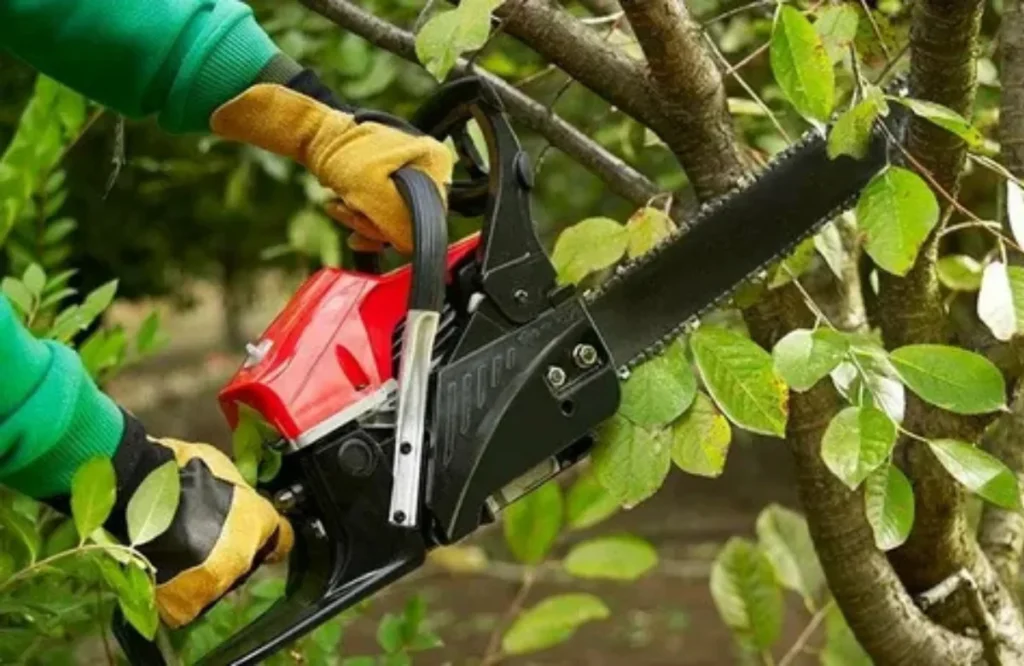
Your trees are not to be pruned when they already are under stress due to the environment be it in the form of drought, scorching heat or in the form of intense cold.
- Heat and Drought: Pruning in hot conditions puts a strong strain on the capacity of the plant to recuperate. These environmental conditions may result in more stress on an already stressed tree. This stress may also expose the tree to insect attack or ailments.
- Extreme cold: Winter is the dormant season, but heavy, deep frost can freeze the cut wounds that lead to cracking and dieback. When you prune trees in the winter cold of extreme weather or during the heat of summer, the tree will respond negatively and die back or die altogether. However, in a more temperate climate, this is usually not as much of a problem except when there is an extreme weather situation.
During The Peak Spring Season
When a tree comes to life in the spring, the sap is quickly climbing, and the tree is spending vast sums of its accumulated energy in developing new leaves and shoots. This is a natural process that is interrupted by pruning.
The large cuts at this period compel the tree to call upon the vital energies in repairing the new wounds and hemorrhage a good deal of sap – a fact which is especially obvious in such trees as the maples, birches, and walnuts. These are the so-called bleeder trees, and pruning them in either late winter or early spring is a mistake; this is why they are the exceptions and should therefore be pruned in mid to late summer instead.
Late Summer to Early Fall
The time around the end of summer until the initial frost of fall is commonly regarded as the worst period to prune most of the deciduous trees. This time generates two different hazards:
- Energy Loss: Pruning at this period of the year decreases the capacity of a tree to produce and accumulate food. The trees are accumulating energy that will be necessary in the spring to make new growth. Food for the tree is made by the leaves. So pruning will lower the capacities of a tree to form and store food.
- Winter Damage: Pruning during this time may also be deceiving the tree into a final burst of vulnerable new growth. This new tender growth will not get hardened off before the winter frosts, resulting in dieback of the branches and causing further stressing of the tree. Avoid pruning trees in fall as it leaves open wounds, which a tree will have to use up more energy reserves in order to compartmentalize. Open wounds are orifices for insects and illnesses.
Flowering Trees Are an Exception
With most ornamental and fruit trees, the rule about the dormant season should not be taken into account, and pruning at the inappropriate moment will cut off the flowers next year.
Spring bloomers: Trees that bloom on old wood (last year’s growth), including ornamental cherries, lilacs, and dogwoods, are to be pruned as soon as they are through blooming in the spring. When you cut them down in the late summer or fall, you are actually removing all the buds that will come in the next year.
The Final Takeaway
The above advice is mainly used in large-scale structural pruning and shaping. Nevertheless, everything has an exception regarding emergency pruning. Once you find broken, damaged, or diseased branches, there is no wrong time to prune trees. Do it immediately so that the tree is safe and able to maintain its health in the long run.
In case you would like the professionals to do this high-stakes job for you, contact Alexa’s Tree Services and let the expert arborists take the lead.
FAQs
When to avoid tree pruning?
Pruning should be avoided in the late spring and summer (active growth) as it puts a strain on trees and encourages disease. Late fall or winter dormant. Wait until later in the year, and we can be safer.
Why can pruning kill a tree?
It is important to note that improper timing exposes the fresh cuts to pests, fungi, and extreme weather, which undermines the defenses of the tree. According to expert arborists, such a type of cut as the so-called flush cuts during the growth periods frequently results in decay and branch dieback.
What is the safe way to prune trees in the home?
Prune when dormant (late fall/winter) with sharp objects and do not remove more than one-fourth of the canopy. Large trees should be consulted with a certified arborist to avoid irreparable damage.