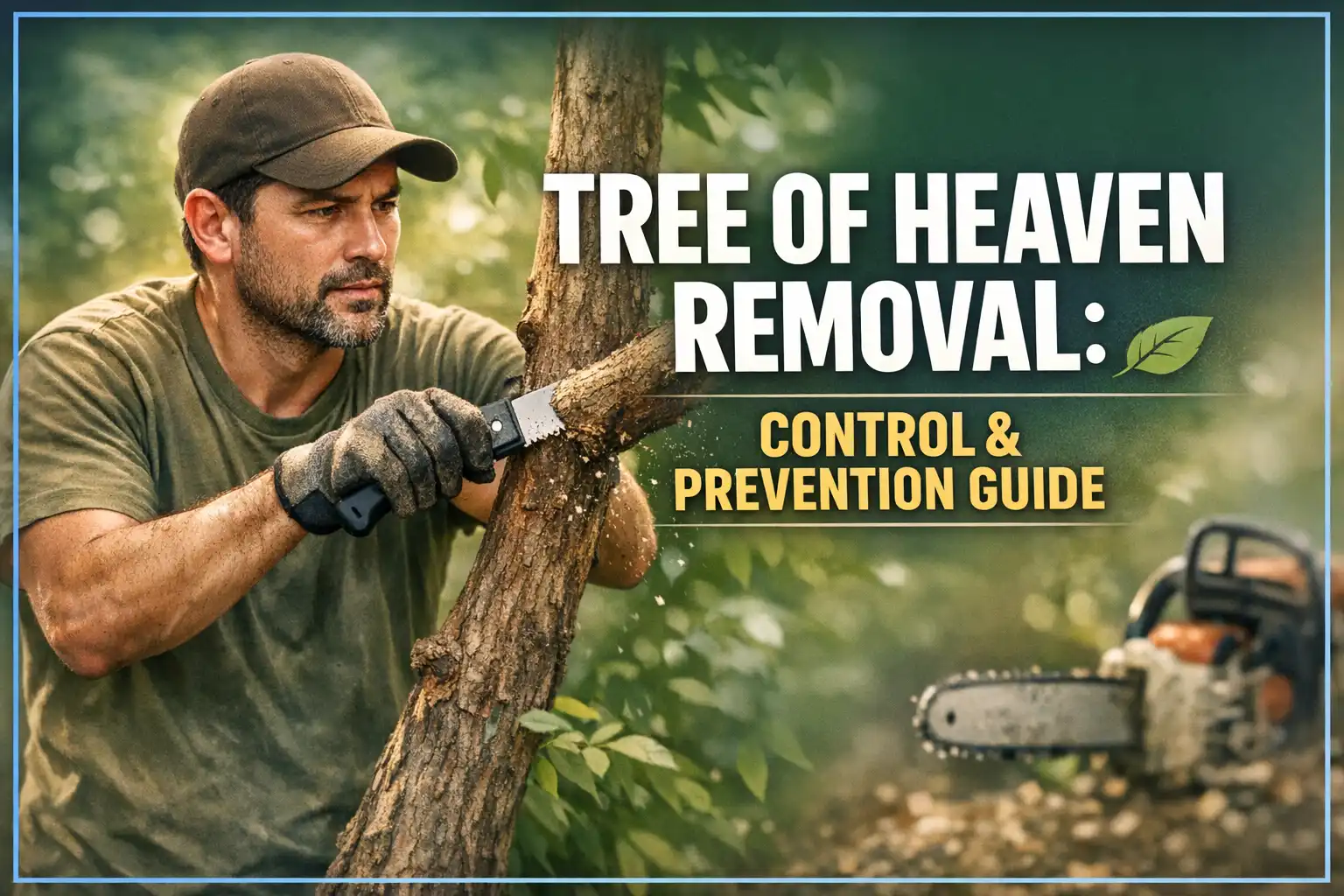

The pruning of trees and shrubs is done because of a number of reasons that include minimizing the size of the plant, opening up the canopy, improving its shape, and eliminating dead or damaged growth. Regardless of the motivation, pruning should be performed properly so that the tree or the shrub can be healthy and in an active state.
Aesthetic pruners and arborists are taught to avoid common Tree Pruning Mistakes by knowing the development patterns of trees and shrubs and the way they grow. They initially assess the overall form of the plant, and subsequently prune off or alter only those branches that are dangerous to the health of the plant or people around it, or which are of no value to its overall form and character. Since each pruning cut is a wound to the plant, one of the most important secrets in pruning is to make a minimum number of cuts in an attempt to get the desired effect.
Prune at the Proper Time
Winter Pruning
First of all, you ought to know whether you are pruning at the appropriate time of the year. There are numerous advantages of winter pruning. It is also less stressful to the plant, and it is easier to observe the structure of the branch. Pruning before the trees enter their spring bud is not only safe but is also known to heal trees faster.
Fall Pruning
Doing it in the fall is also the wrong way to prune trees. Pruning cuts may also trigger new growth, which, unfortunately, will be killed with the fall of temperatures to freezing. At the end of the growing season, trees and shrubs produce less energy, which means that more energy used in this new plant development will come from previously stored energy reserves. A freeze caused dieback means that the energy used towards this growth was lost.
Pruning During High Disease Risk
It is not advisable to trim down the trees when they are exposed to pests and disease. When you do pruning at the wrong time, you are likely to expose your plants and trees to disease pathogens that are either airborne or carried by insects. Pruning should also be avoided during warmer months when the beetles are active to avoid the spread of the diseases, which may be fatal.
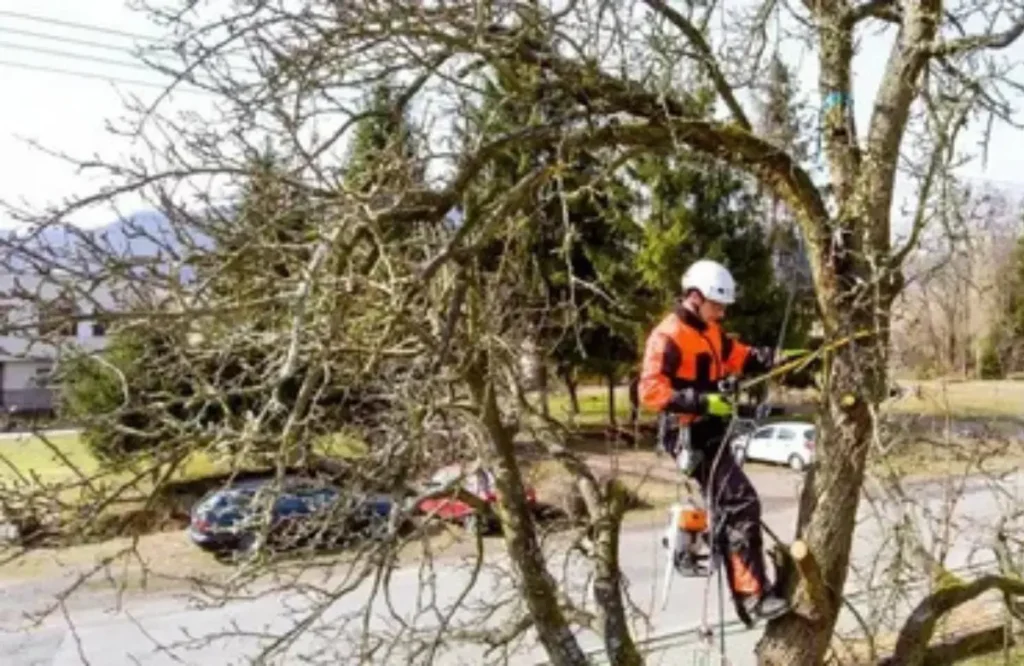
Tree Pruning Tips to Avoid Errors
No Flush Cuts
Although it might appear to be clean and smooth, a flush cut cuts off the branch collar, which is a piece of tissue necessary to create a seal around the cut of the pruning. Due to the inability of the plant to close the wound, a flush cut creates a point of entry for pests and pathogens into the plant, causing damage or killing the plant.
How to prevent flush cuts pruning error: Find the branch collar, a swollen part about the base of a branch, and cut above it. Since a pruning cut at this point triggers the tissue in the branch collar to overgrow to cover the wound.
No Stub Cuts
Stub cuts are the converse of the flush cuts; a stub of a branch left just as a branch stub, which is long enough, such that the branch collar can not grow over it.
To prevent stub cuts: A rule of thumb is that a stub is too long to allow a hat to be hung on it.
No Lion Tailing
The other typical error is the lion tailing, which is pruning away the interior branches and leaves, and growth is retained only at the branch ends. This should not be practiced since it is one of the pruning mistakes that kill trees.
- Eliminates excess foliage (that the tree requires to perform photosynthesis)
- Weakens the tree framework by redistributing the weight to the tips of branches.
- Exposes the crown to the effects of wind and sun
- Growth sprouts (watersprouts) develop up the trunk and branches as a result of increases in reaction, or stress-response.
No Heading Cuts
Pruning, especially in big branches, is hurting, both structurally and aesthetically. A heading cut removes the end of a branch at a random location or at a junction of a branch, leaving only a side branch that is undersized to grow in a different direction.
When you cut off a branch at a random branch point, you induce the growth of numerous small branches around the sterilized site, which are not well attached and do not grow according to the natural growth of the branches.
Heading cuts can be the correct decision in a few cases; however, that is the kind of decision that should be left to a certified arborist who knows when, where, and why such cuts should be done.
Use the 3-Cut Method
Any pruning of big branches must be in the form of three steps:
- To begin with, the superficial cut should be made on the underside of the branch, one or two inches above the branch collar. This will serve as a shield, and it will not tear a bark in the event of the branch falling during the process of cutting.
- Second, slice through the branch 2-4 inches above the branch collar, causing the removal of the branch and leaving a stub.
- Lastly, remove the stub by cutting the branch just ahead of the branch collar.
Use the Right Pruning Tools
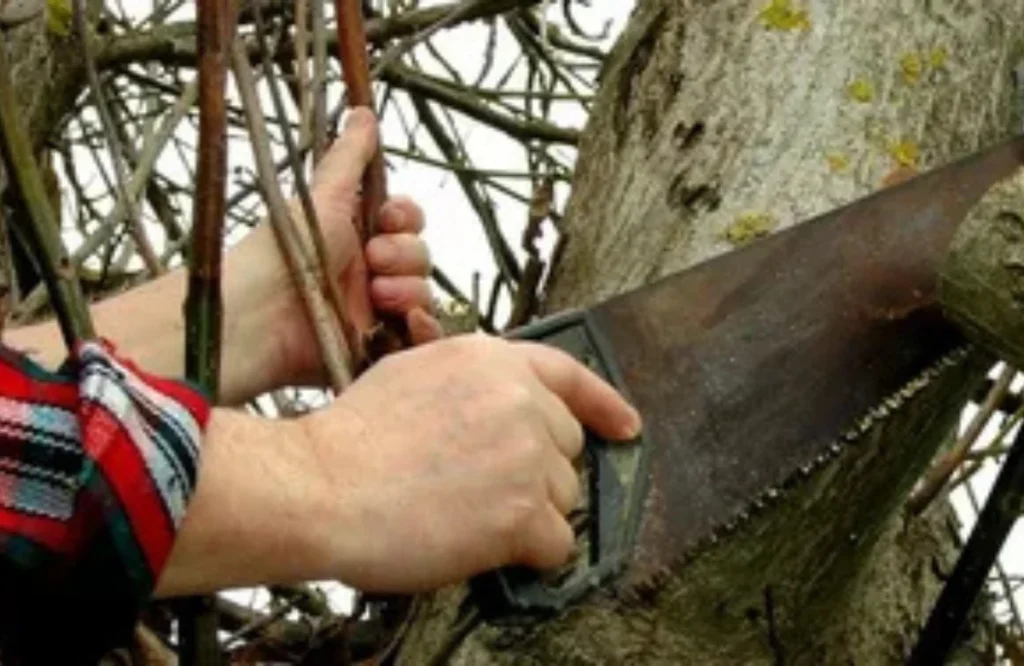
Pruning tools are of four types, which include pruning shears, loppers, pruning saws, and chainsaws. The bigger the branch being cut, the more powerful the tool should be. As an example, cutting a 3-inch branch using a lopper is likely to result in frustration and a cut that is susceptible to diseases and pests. Ensure that cutting tools are sharp, have been tuned, and are of the correct size. For tips on common mistakes to avoid while pruning in winter you can consult professional tree pruning experts.
Conclusion
Knowledge of the flowering and branching routines of a plant is necessary for staying away from common tree pruning mistakes. Different species have to be pruned differently, and any pruning must be performed as minimally as possible, removing only what is necessary.
In case you are overwhelmed by the needs of this task, you can contact Alexa’s Tree Services, which has the right team and the qualifications to do the job for you. It will be healthier for the tree, not to mention that it would be ultimately beneficial for your wallet as well.
FAQs
What is the most serious error that beginners make when pruning?
Pruning during an inappropriate time of the year, such as late in the fall. Do it on species-specific times, just like late winter for most of the deciduous trees, in order to encourage healthy plant growth.
What is wrong with dull pruning tools?
Dull blades form rough cuts, which are susceptible to disease and pests that delay recovery. Clean snips that seal fast can only be achieved through sharp tools.
Is it permissible to remove over a quarter of a plant at a time?
Is it permissible to remove over a quarter of a plant at a time?