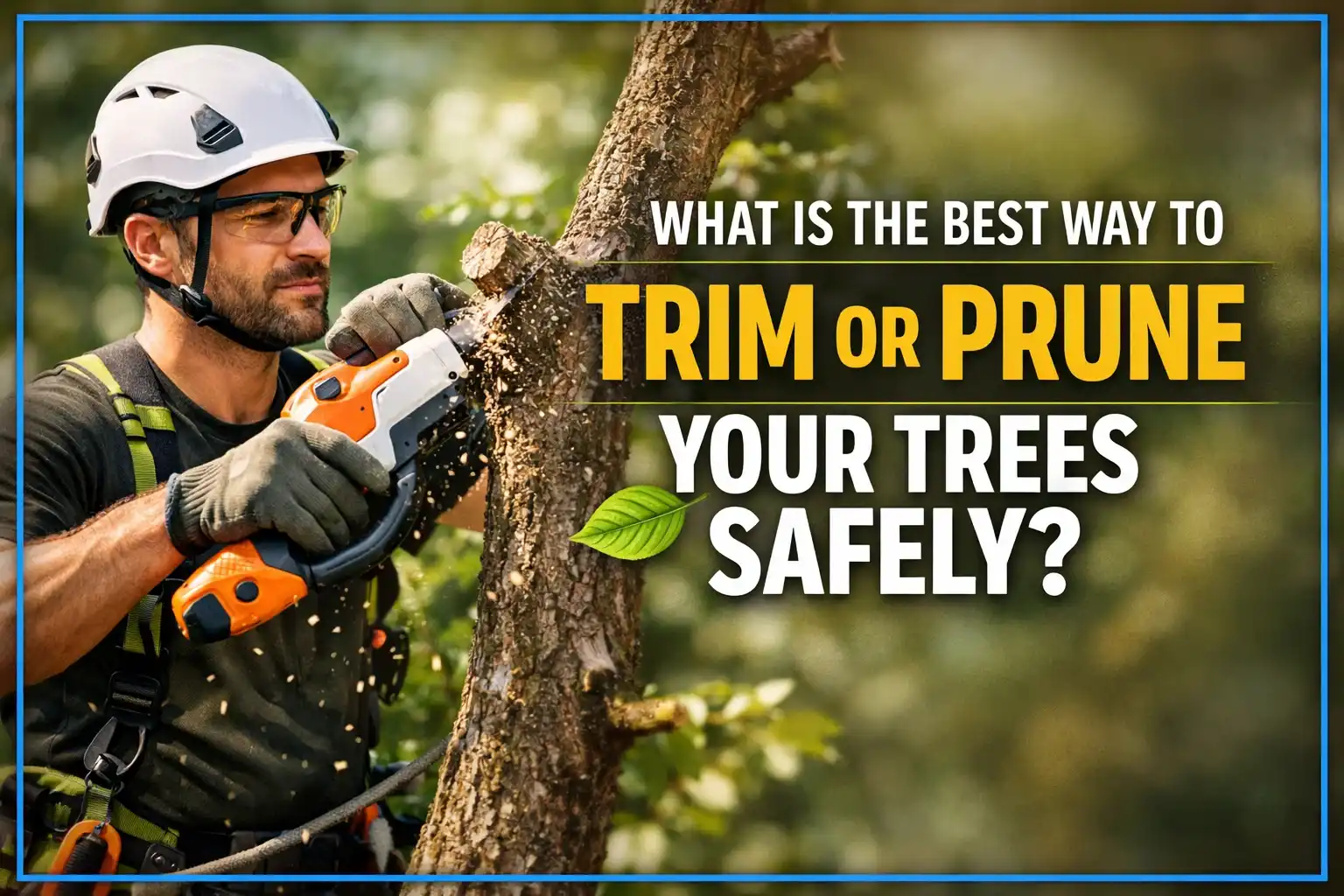
There is so much to be had in trees: clean air, cool shade, sweet-smelling flowers, sweet fruit, and wonderful canopies. But you must know how to trim a tree to see that it is in its best shape. Pruning of a tree when properly performed and with a purpose can ensure that the tree remains beautiful and healthy even over many years. This article focuses on educating readers on tree trimming and pruning, why and when to do it.
Supplies You Will Need
- Pruning shears (For cuts upto 3/4 inches in diameter)
- Loppers (For branches of 1/2 inch diameter)
- Handsaw (when cutting over 1-inch diameter branches)
- Pole saws
- Safety goggles
- Protective gloves
- Safety helmet
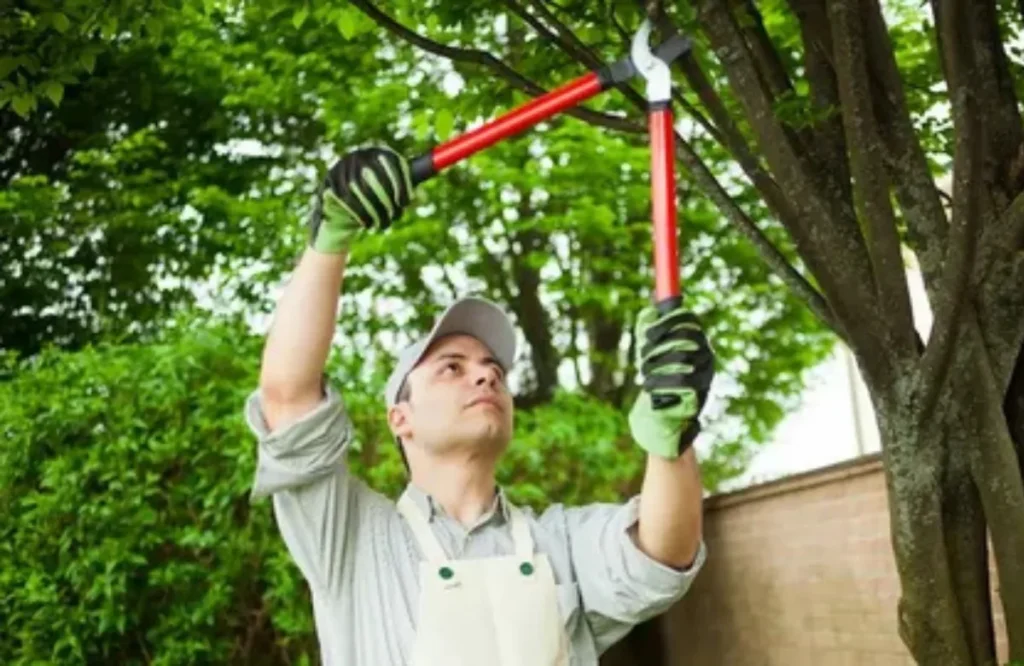
How to Prune Trees
With trees, you must feel the urge to ensure that their blooms last longer and are healthier, and this can only be achieved through proper pruning guidance. You need to employ sharp tools and correct techniques that will help you to make clean cuts and minimize the chances of disease and infection in the tree. These are the steps that you can follow to keep yourself and your tree safe.
Make a Half Cut on The Bottom of The Branch
The initial cut is made on the lower part of the branch, about a foot from the trunk, and slightly above a healthy bud. Do not cut too near the bud, as you will kill it. The cut must run halfway through the branch. This ensures that the branch does not crack too near the tree trunk when falling.
Make a Top Cut Slightly Further From The First One
The second slice must pass through the branch a little way farther down the line than the first one. These two cuts enable the branch to come off smoothly, such that there is no risk of tearing or ripping.
Final Cut Right Next To the Branch Collar
After leaving yourself with a stub, cut on the branch just beyond the branch collar. It is the elevated pile at the point of attachment of the branch to the tree trunk. One should also not cut into or beyond the branch collar on the trunk side because this will result in an open wound that is subject to disease and insect infestation.
Pruning Methodsal
A professional tree trimming service normally employs one of the four primary techniques of pruning a tree, and every technique is superior for specific purposes. The know how of various pruning methods is the reason why it is best to hire a professional.
Crown thinning: Under this technique, the branches are stripped off all over in order to increase light exposure for the branches that are left. The more exposure to light, the more photosynthesis and thus the better and faster the growth of the tree. This method is effective when dealing with young trees that are still trying to find their way and are in need of additional leverage.
Crown raising: This is a pruning style whereby you trim branches that are only at the bottom of the tree in order to have a higher overhead clearance. Select this alternative in case your tree has a lot of low hanging branches.
Crown reduction: This technique is aimed at eliminating the upper part of the tree, that is, the branches at the top, to bring the total tree height down, but much more difficult than any other pruning process and more inconvenient. Do only when necessary, like when the branches on the tree top are infected or even dead.
Crown cleaning: Removal of only dying or dead branches to maintain the health of the tree in general is done in this form of pruning.
Are Pruning and Trimming The Same?
It should be mentioned that there is a distinction between tree trimming and pruning. Trimming is an activity that must occur several times a year and entails cutting away portions of branches so that it does not grow too large or too thick and so that they can generate new branches and leaves.
Pruning, on the other hand, is only done after every two or three years and entails the removal of parts of the tree that are dead or ailing. Pruning is even more intensive since it can make you take the whole branch of a tree off the stem of the tree and not just one section of it.
Ensuring your trees are trimmed and pruned safely requires experience and the right techniques. Our professional team specializes in expert trimming and pruning services to keep your trees healthy, strong, and looking their best.
Pruning Trees By Age
The age of your tree is also important to be taken into consideration when it comes to pruning. Read some advice on not only pruning young, but also mature trees.
Pruning Young Trees
When cutting a younger tree, one should always consider the position where they are going to cut the tree, as a single wrong move might lead to the tree growing in the opposite shape, or it may get damaged. Young trees should be cut just outside the branch collar to give the best results. Remember that it is preferable to have numerous small cuts today than bigger ones in the future of the tree.
Pruning Mature Trees
Mature trees are harder to prune well since most of them are already grown, and any form of accident will permanently affect them. When the best results are desired, saws should be applied to hard branches rather than the kind of pruning tools that are used in young trees.
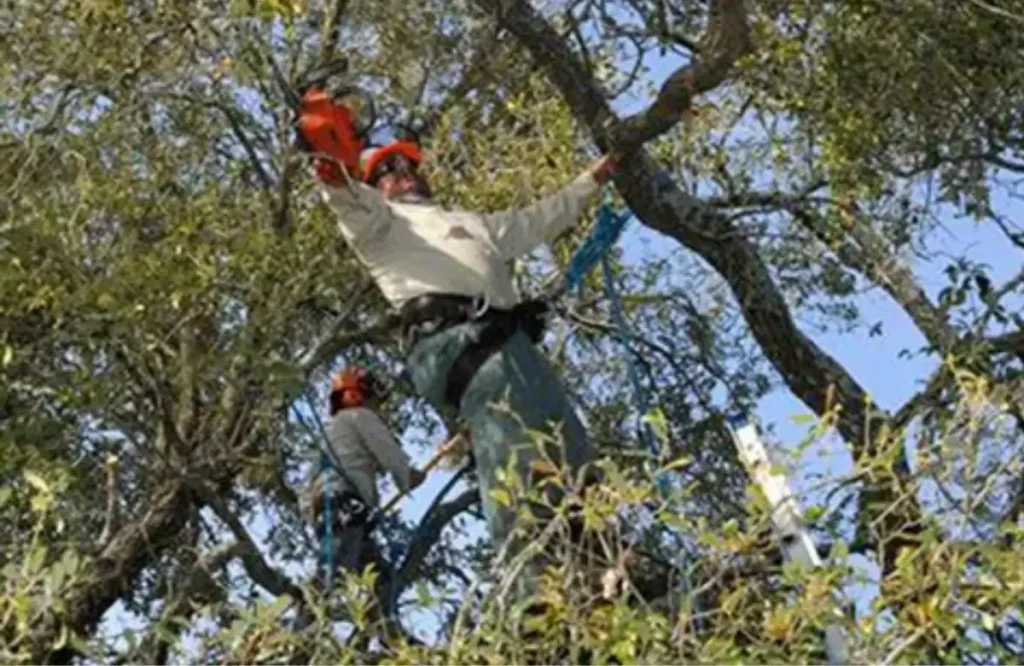
When to Call a Professional
Dealing with a small tree only to trim it down would often not require extra buying. All you need are shears and a ladder, and you are good to go. Nevertheless, when you have to trim a huge tree, it is strongly advisable to employ a professional tree pruning service because it is a risky job and specialized machinery is needed to complete it. The high pricing of renting good equipment would probably make it cheaper to receive the services of a professional.
Get in touch with our representative at Alexa’s Tree Services to schedule your tree pruning or trimming now.
FAQs
Why do I need to prune my trees?
Other than the aesthetic, pruning can eliminate dead or diseased branches, a factor that helps to maintain trees in good health and makes them strong and healthy for new growth.
When should shade trees be pruned?
The type of trees whose leaves fall off in autumn (the deciduous shade trees) have to be pruned in late winter (between February and March).
Should I prune the evergreen conifers?
Not every evergreen conifer requires pruning; however, there are those. Pruningf palm trees is not exactly necessary, but you can do so in June and July.