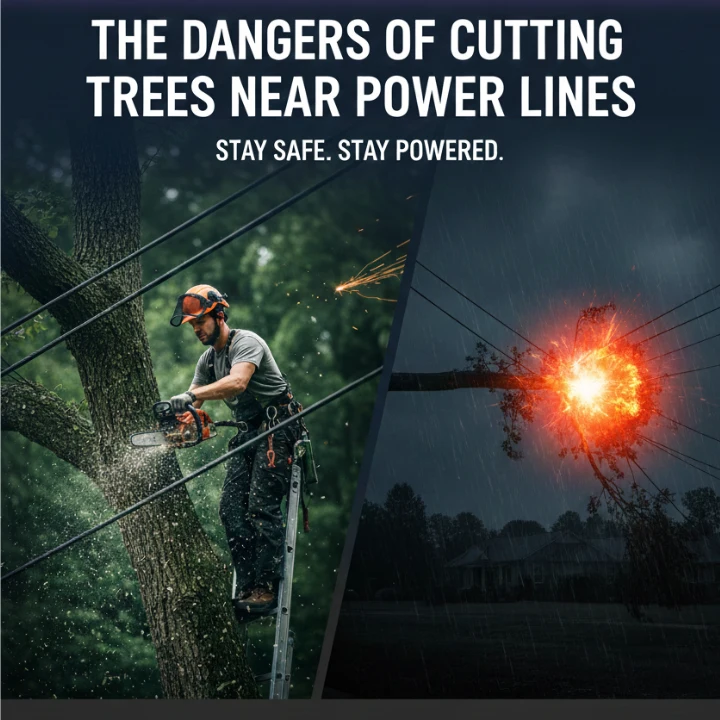
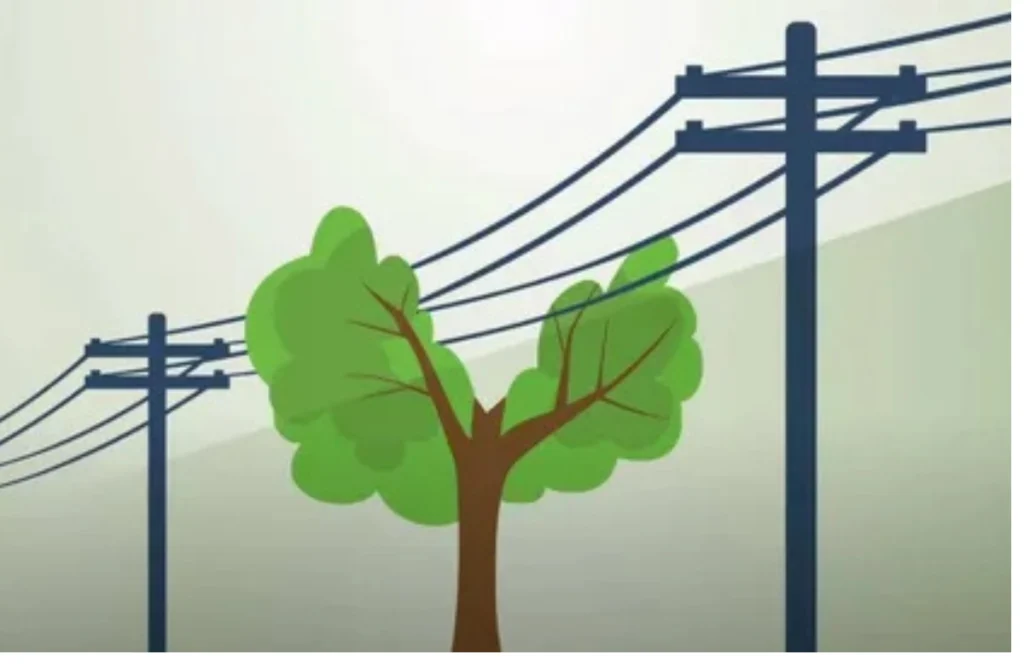
Deforestation around power lines is very dangerous, with a high potential of being electrocuted, setting fire due to sparks, and damaging a large portion of property which may encompass houses and even cars. The potential danger posed by power line trees is usually underestimated by homeowners, which results in fatal accidents, such as when the branches of tools touch live wires, or even 10 feet away, as a result of electrical arcing. The cutting of dangerous trees in them makes an ordinary yard work a life-threatening experience, which underlines the importance of taking it easy.
The most secure method would be professional tree removal services that have experience in the removal of utility line trees. Procedures and protocols that eliminate disasters include tree removal operations by licensed arborist teams with utilities, after which procedures are coordinated. These insured workers are necessary to cover the lives and infrastructures; therefore, they are supposed to work with the trees near the power lines.
Risks of Cutting Trees Near Electricity
Electrocution Hazards
Electrocution is one of the highest risks of cutting trees around electricity, as such equipment as a pole pruner or ladders can touch live wires, even indirectly, and kill a person immediately. The unsafe cutting of trees causes electricity to arc up to 15 feet through wet branches. A majority of the injuries are on secondary rather than primary wires.
Fire Hazards
Electric foliage fires start when dry branches are struck and then the fires spread to houses when clearing electrical hazard trees. The branch of trees transfers electricity, and increases the danger.
Property and Legal Risks
Examples of tree damage to property are broken roofs, cars, and thousands in outages. DIY contravenes the 10-foot rule by OSHA which could lead to a fine. The reason why cutting trees around power lines is hazardous requires professional tree removal of trees around electricity.
How Licensed Professionals Safely Remove Trees Near Power Lines
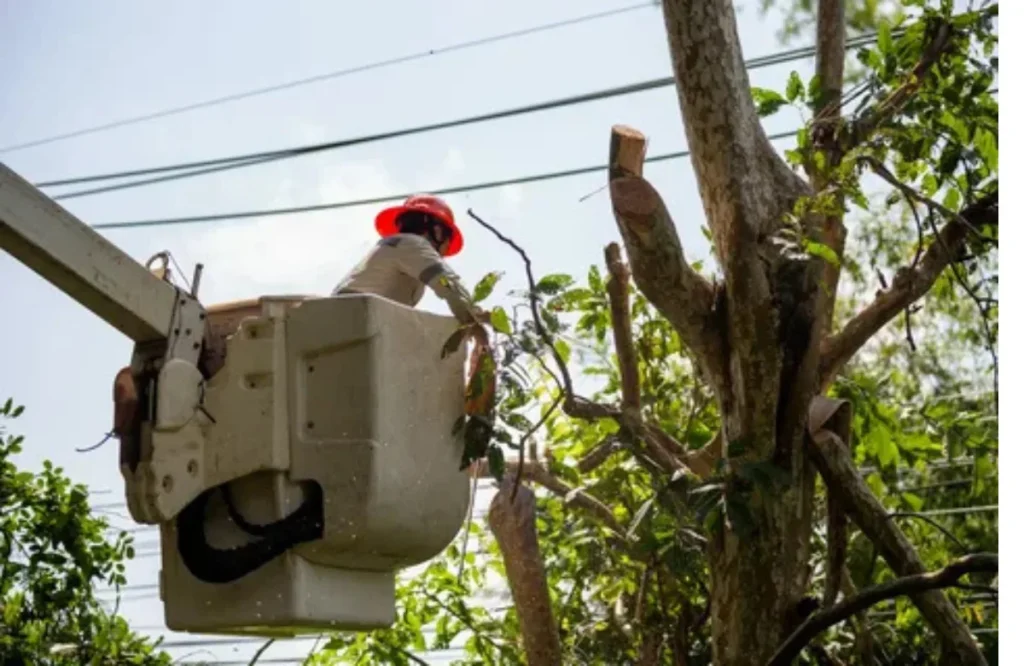
Licensed arborist tree removal involves the use of special equipment such as insulated aerial lifts, boom trucks and rigging to prevent contact with the lines. The safety measures have minimum approach distances (usually 10 feet), safety tools, and PPE like insulated tools and gloves. ANSI Z133 and OSHA 1910.269 are used to train utility tree removal service pros in the removal of trees near the power lines.
Liaison with utility companies also makes sure that high-risk jobs are shut down to avoid surges. This co-operation is required in tree safety around power lines.
Step-by-step professional removal begins with a hazard assessment and planning phase, line mapping, voltages and lean mapping of trees. The second step is accurate sectional felling, ropes and buckets are used to cut and reduce branches in a safe manner so that the debris does not fall on the wires. Lastly, damage to the site is cleared away and cleanup brushes leave houses clean.
Certified training is applied by experienced and insured licensed arborists to reduce errors.
Benefits of Hiring a Professional Tree Removal Near Power Lines
Reduces Risk of Injury and Fatal Accidents
Professionals who are hired to remove the trees are able to remove the risks of illegal DIY efforts, which are the highest cause of electrocutions when cutting in areas near power lines. Professionals in hazard tree cutting apply special skills and tools to prevent falls, shocks and other accidents.
Protects Property and Infrastructure
The tree removal infrastructure of important utility lines is guarded by professional teams to ensure that trees do not cause property damage. Their precise procedures decrease the chances of outages that are brought about by falling limbs and also sustain the stability and safety of power lines
Ensures Regulatory Compliance and Reduces Liability
Licensed arborists adhere to safety regulations, including a 10-foot clearance guideline of OSHA and they do not face the expenses associated with the imposition of fines and disruptions in services. Employment of professionals also minimizes the liability of property owners because, in most cases, the utilities blame property owners in ensuring that there is a safe distance between trees and power lines.
Maintains Reliable Power Supply
Professional pruning around power lines is regularly practiced by the utilities so that they can be able to deliver power continuously by trimming the plants that may give rise to power cuts and ignition by removing these plants before they can lead to such impacts. This is continuous servicing and improves the overall community safety and service reliability.
Client Background: Understanding the Initial Challenges
An HOA at the Alpharetta, GA location experienced power line tree hazards due to the storm-bent aging trees that would lean into Georgia Power lines, which posed the risk of electrocution and outages. The crews of Southeast Tree have evaluated the site, found seven dangerous trees and 14 trees that required line clearance pruning.
Past: Branches were hanging over houses, footways and high-voltage power lines, and caused a hazardous threat of tree-cutting. Two days after: Trees are removed in parts with the use of aerial lifts, rigging and protective mats, debris is chipped on-site. There was no destruction of grass, utilities, or power lines.
Good remarks were made by the clients about the utility tree removal service: It worked better than expected- the neighborhood is safer. Timeline: Day 1 assessment/pruning, Day 2 complete removal of tree close to power lines. This presents the licensed tree removal skills of an arborist.
Note: Before-and-after images would depict overgrown hazards vs. cleared, safe areas, and visualize tangled branches over wires transformed to open easements.
How to Schedule Safe Tree Removal Near Power Lines
To begin with, you should contact a licensed tree removal company that has experience in utility and request confirmation of the ISA certification and insurance. Give details of the site for the initial quote.
Then set up professional Inspection and risk assessment, the professionals measure line clearance, tree health and voltages.
Next, safe removal or trimming around power lines, such as utility de-energization, where necessary.
Finalize with post removal safety inspection and clean up of the site and no hazard left.
Conclusion
Power line tree hazards are inevitable due to the invasion of trees around power lines, which pose threats of electrocution, as well as massive power outages and fire, which endanger lives and communities. Poor tree removal due to electrical hazard dangers is aggravated by deadly tree harvesting by untrained people which may result in tragedies that cannot be reversed despite the easy remedies such as hiring a professional to handle the cutting of trees. Hiring a licensed arborist to cut the trees is a priority because the trees are safe around the power lines and the operations of cutting the trees in the utility area and the related strict rules.
Trees around the electricity will not only be safer when removed professionally to remove trees around your property, but also protect the utility line tree removal standards without fines and liability, not to mention retaining dependable power. The teams of utility tree removal services provide accuracy in cutting trees around the power lines and transforming potential disasters into a smooth maintenance sail.
Avoid the deadly risks of DIY tree cutting near power lines. Contact our licensed arborists for safe, professional tree removal today, Alexa’s Tree Service LLC.
FAQ’s
Q: Why is cutting trees near power lines so dangerous?
A: Cutting trees too close to power lines is a potential cause of electrocution of arcing electricity even 10-15 feet away, fire and falls. The reason why it is bad to cut trees near power lines is related to hidden second and bursts.
Q: Can utility companies assist with tree removal near electricity?
A: Yes, the utilities tend to organize trimming of trees around the power lines or to de-energize the power lines, but they employ certified professionals to do this. They may cover initial trims in some areas.
Q: Are licensed arborists insured for accidents?
A: Licensed arborists carry liability insurance covering accidents, property damage, and worker injuries during electrical hazard tree removal. Verify coverage before hiring.
Q: What safety equipment is used for tree removal near power lines?
A: Equipment includes insulated tools, gloves, aerial lifts, PPE, and rigging; protocols enforce 10-foot distances.